A backup system should keep the loads that matter running safely, without backfeeding the grid or creating a system the customer cannot operate.
⦁ Frequent or consequential outage concerns
⦁ Medical, refrigeration, security, sump, internet, or home-office loads that must stay available
⦁ Existing portable-generator use without listed transfer equipment
⦁ A solar customer who expects backup but has a grid-tied system that shuts down during outages
⦁ A planned battery or generator without a clear critical-load calculation
⦁ A need for safer, simpler operation than extension cords and manual workarounds
⦁ Identify critical loads, desired runtime, expansion plans, and operational priorities.
⦁ Evaluate service, panel configuration, solar, existing equipment, installation locations, and load.
⦁ Compare generator, battery, transfer-switch, critical-load-panel, and hybrid options.
⦁ Confirm permit, fire, planning, utility, and interconnection requirements.
⦁ Install listed equipment, protection, transfer controls, labeling, and required shutdown provisions.
⦁ Coordinate inspections, commissioning, customer training, and maintenance documentation.
⦁ Santa Clara: utility coordination follows Silicon Valley Power requirements.
⦁ PG&E territory: battery or service work may require utility applications or interconnection steps.
⦁ Hillside or space-constrained properties: equipment location and clearances may drive design.
⦁ Multifamily and commercial: fire review, egress, ventilation, common equipment, and tenant operations may add complexity.
⦁ California C-10 electrical contractor
⦁ Bonded and insured
⦁ Clear options before work begins
⦁ Permits coordinated when required
⦁ Premium workmanship, labeling, testing, and project closeout
⦁ Local service throughout Santa Clara County
Most standard grid-tied solar systems shut down during an outage unless they include approved backup equipment and controls.
The answer depends on loads, desired runtime, fuel access, solar, noise, maintenance, location, budget, and outage goals. ARC can help compare practical options.
Generators, transfer equipment, and battery systems commonly require permits and inspections. Additional fire, planning, or utility review may apply.
A portable generator must never backfeed the utility. A listed transfer method and proper connection are essential. Generator exhaust must remain outdoors and away from openings.
That depends on system output, battery capacity or fuel, motor-starting loads, and the customer’s load priorities. A critical-load design can reduce cost and extend runtime.
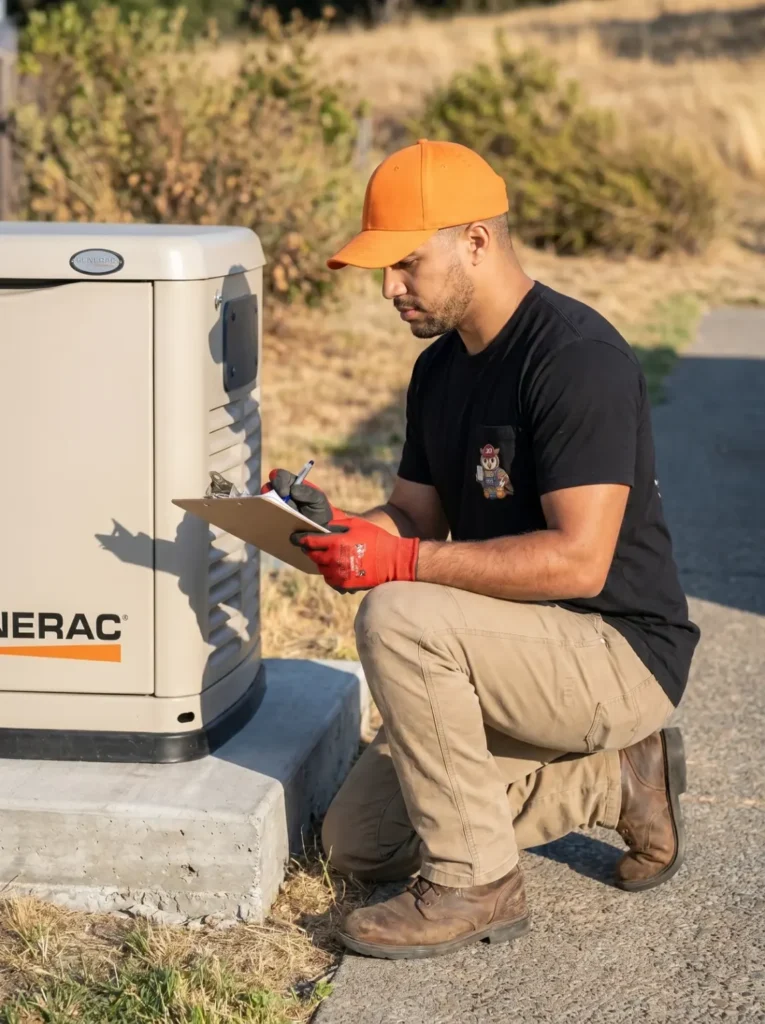
ARC does provide generator maintenance and repair services. We must confirm supported brands, service intervals, and scope for your specific generator.
Call ARC Electrical Services at (408) 722-3688 or schedule online. We will review the property, explain the options, and identify the permit or utility steps that apply.